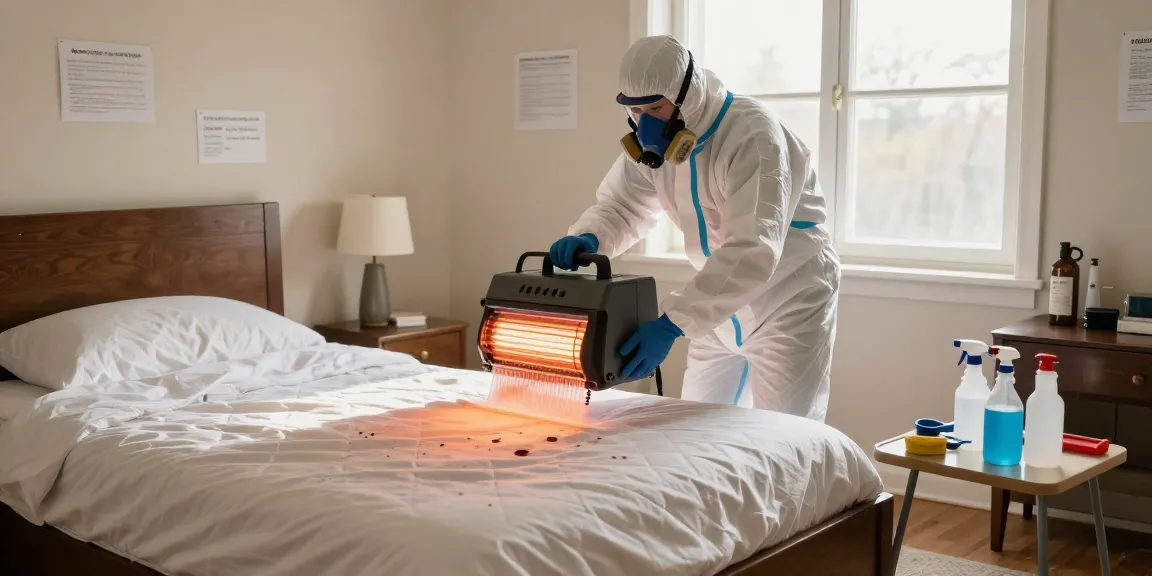
Understanding Bed Bug Heat Treatment
Bed bugs are a growing concern for residents in Milwaukee and beyond, as their presence can disrupt lives and compromise peace of mind. One of the most effective methods for eliminating these pests is bed bug heat treatment. This approach not only eradicates bed bugs but also targets their eggs, providing a comprehensive solution for those facing an infestation.
What is Bed Bug Heat Treatment?
Bed bug heat treatment involves raising the ambient temperature of a space to a level that is lethal to bed bugs and their eggs. By using specialized equipment, exterminators can uniformly heat areas infested with these pests to temperatures exceeding 120°F (about 49°C). This method effectively kills all life stages of bed bugs in a single visit, including eggs, nymphs, and adults, making it one of the most efficient pest control strategies available today.
Benefits of Using Heat for Bed Bug Extermination
- Speed and Efficacy: Heat treatment can typically eliminate bed bugs in just one visit, contrary to other methods that may require multiple treatments.
- Eco-Friendly: Unlike chemical treatments, heat is a non-toxic option that poses no risk to the environment or human health.
- Thoroughness: Heat penetrates into materials such as mattresses, furniture, and even wall voids, killing bed bugs wherever they hide.
- Reduces Allergens: The high temperatures also help eliminate dust mites and other allergens, improving indoor air quality.
How Heat Treatment Compares to Other Methods
While chemical treatments are often the go-to solution for pest control, they come with their own set of challenges, including preparation time, potential health risks, and the possibility of bed bugs developing resistance. In contrast, heat treatment requires less preparation, poses fewer health concerns, and avoids the risk of resistance since it utilizes a physical method of extermination. Furthermore, the speed of heat treatment means less disruption to your daily life, making it a favorable option for many households.
Preparing for Bed Bug Heat Treatment
Initial Inspection and Assessment Steps
Before any heat treatment can begin, a thorough inspection is essential. Your exterminator will assess your home to identify the extent of the infestation and determine which areas require treatment. This initial assessment involves looking for visual signs of bed bugs, such as shed skins, fecal stains, or actual bugs themselves. Understanding the severity of the infestation will help tailor the heat treatment process for maximum effectiveness.
How to Prepare Your Home for Treatment
Effective preparation can significantly enhance the outcome of heat treatment. Here are some essential steps:
- Remove items from the floor and clear clutter that may obstruct the heat from reaching all areas.
- Wash bedding, clothing, and other fabric items in hot water to eliminate remaining eggs and bugs.
- Inform your exterminator about any sensitive items that may not handle high temperatures, such as certain electronics or heat-sensitive materials.
- Ensure pets and plants are removed from the premises during treatment.
Debunking Common Myths About Heat Treatment
Despite its numerous benefits, misconceptions about heat treatment persist. Some believe that it is ineffective or too costly. In reality, heat treatment is scientifically proven to eradicate bed bugs quickly and affordably, especially considering the long-term savings from avoiding repeated treatments and potential damage to property. Others fear that heat treatment may damage their belongings; however, professionals use specialized equipment that ensures even heating without causing harm.
Executing Bed Bug Heat Treatment
What to Expect During the Treatment Process
Once preparations are complete, the exterminator will set up the heating equipment in your home. The initial phase involves raising the temperature steadily, usually to between 125°F and 140°F, as these temperatures are optimal for killing bed bugs. The treatment duration can vary, often lasting between 6 to 8 hours to ensure that all areas are adequately heated for effective extermination.
Equipment Used in Heat Treatments
Professionals typically use a range of specialized heaters, such as electric or propane-powered units. These heaters are designed to distribute heat evenly and maintain high temperatures throughout the treatment area. Additionally, thermal sensors are often utilized to monitor the temperature accurately, ensuring that it reaches and sustains the necessary levels to eliminate bed bugs comprehensively.
Monitoring Temperature for Effectiveness
Maintaining the correct temperature is crucial during the treatment process. Exterminators will continuously monitor the heat levels using infrared thermometers to ensure that all areas reach the required thresholds. This careful monitoring guarantees that no bugs or eggs survive, leading to a successful elimination.
Post-Treatment Care
Steps to Take After the Treatment
After the heat treatment, it’s essential to follow specific steps to maximize its effectiveness. Avoid bringing in any used furniture or clothing that hasn’t been treated for at least a month. It’s also wise to conduct a follow-up inspection, typically a week or two after treatment, to ensure no eggs or bugs remain. Your exterminator might recommend additional treatments or preventive measures based on the follow-up assessment.
Signs of Success: Confirming Bed Bug Elimination
Success in extermination is often marked by the absence of bites or visible signs of bed bugs such as fecal stains or shed skins. Regular monitoring will help confirm that the treatment has been effective. Any re-emergence of these pests should be addressed immediately by contacting your pest control provider.
Preventing Future Infestations: Best Practices
To prevent future bed bug problems, consider adopting these best practices:
- Regularly inspect your sleeping area and travel bags, especially after staying in hotels or other shared accommodations.
- Seal cracks and crevices in walls, floors, and furniture where bed bugs might hide or enter.
- Use bed bug encasements on mattresses and box springs to create a protective barrier.
- Avoid purchasing used furniture or bedding without thoroughly inspecting them first.
Case Studies and Real-World Results
Success Stories from Past Clients
Many clients have shared positive outcomes after utilizing heat treatment for bed bug extermination. For example, a family in Milwaukee reported a successful resolution to their bed bug issue within one treatment session, allowing them to reclaim their home without the hassle of ongoing pest control efforts.
Statistical Analysis of Heat Treatment Effectiveness
Numerous studies support the effectiveness of heat treatment, with success rates reported as high as 95% in controlled environments. This statistic underscores the reliability of heat as a primary means of ensuring bed bugs do not thrive and reproduce.
Future Trends in Bed Bug Treatment Technology
As technology advances, we can expect continued improvements in heat treatment methods. Innovations may include more efficient heating systems, better monitoring tools, and integration with smart home technology to enhance safety and efficacy in pest control.
What Should You Do If You Still See Bed Bugs?
If bed bugs persist despite treatment, it’s crucial to contact a professional immediately. They can reassess the situation, possibly suggesting additional treatments or a combination approach, such as integrating chemical treatments with heat for maximum effectiveness.
How to Choose the Right Exterminator for Heat Treatment?
When selecting an exterminator for heat treatment, consider their experience, customer reviews, and the specific methods they utilize. Look for professionals who specialize in bed bug extermination, have positive testimonials, and use environmentally friendly practices. A thorough consultation should also be part of their process, ensuring that you understand each step of the treatment.