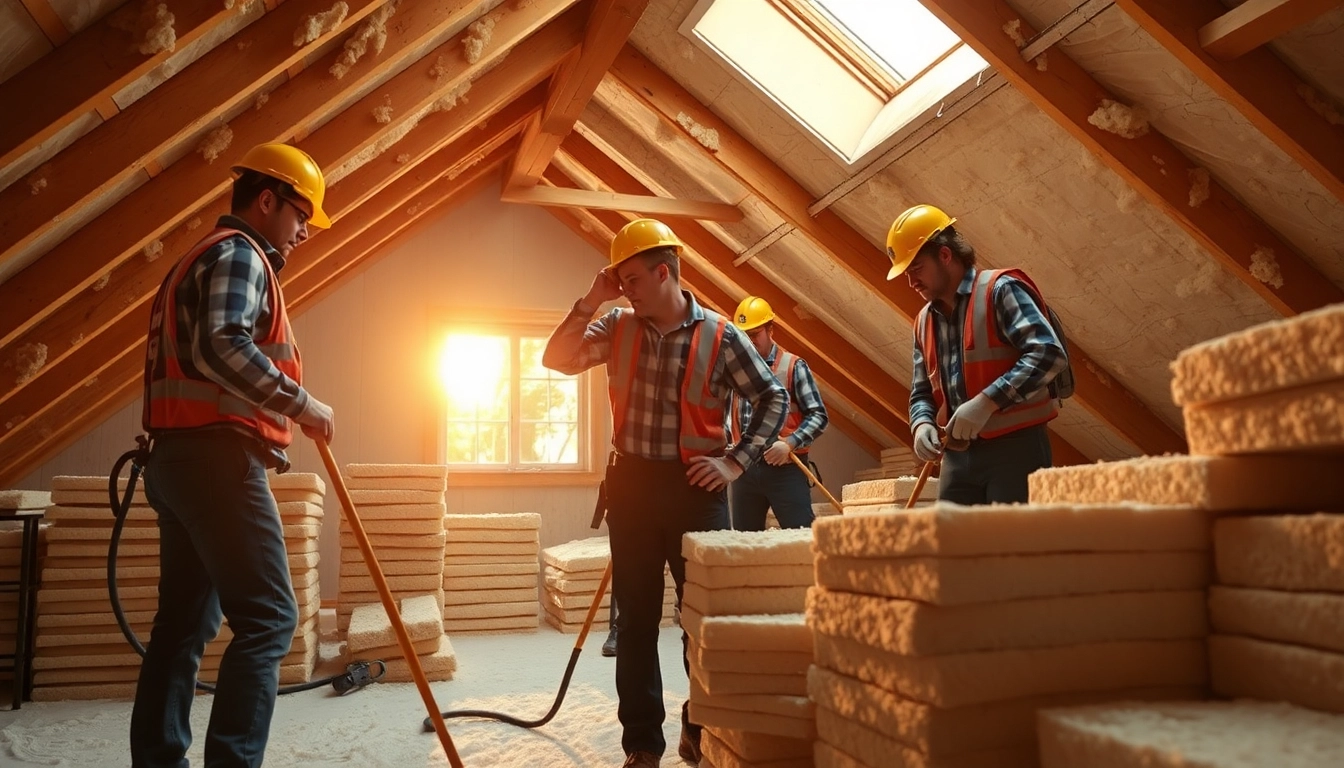
Understanding Spray Foam Insulation Removal
What is Spray Foam Insulation?
Spray foam insulation is a highly efficient insulation material used primarily in residential and commercial buildings. Composed of two main components, isocyanate and polyol resin, the mixture expands on application to fill gaps, cracks, and voids, thus creating an airtight seal. This process enhances energy efficiency by minimizing heat transfer and reduces the likelihood of moisture-related issues. However, its removal can be necessary for various reasons, which we will explore in detail.
Common Reasons for Removal
While spray foam insulation offers considerable benefits, there are several common reasons why homeowners and contractors seek its removal:
- Moisture Damage: If not properly installed, spray foam can trap moisture, leading to mold and mildew growth.
- Allergy Issues: Some individuals may have allergic reactions to the chemicals present in spray foam.
- Improper Installation: Poor installation can lead to inadequate insulation performance, necessitating removal.
- Renovations and Upgrades: Home renovations may require the removal of existing insulation to accommodate new building materials or designs.
Risks of Improper Removal
Improper removal of spray foam insulation can result in significant risks, including:
- Structural Damage: The adhesive properties of spray foam mean it can bond to surfaces, leading to damage during removal.
- Health Hazards: The chemicals involved can pose health risks if inhaled or if skin contact occurs.
- Cost Overruns: Improper removal may lead to additional costs for repairs or further professional interventions.
Choosing the Right Spray Foam Removal Companies
What to Look for in a Removal Service
When searching for spray foam removal companies, it’s crucial to consider various factors to ensure you select a reputable and competent service:
- Experience and Expertise: Look for companies with extensive experience in spray foam removal. Specialized knowledge in handling this type of insulation is critical.
- Certification and Licensing: Ensure that the company adheres to local regulations and is properly licensed and certified for insulation removal.
- Safety Standards: The company should follow stringent safety protocols to protect both workers and homeowners during the removal process.
- Environmental Considerations: Inquire about how the company disposes of removed materials and their procedures for contamination management.
Questions to Ask Potential Companies
Before hiring a spray foam removal company, asking the right questions can help you gauge their suitability:
- What is your experience with spray foam insulation removal?
- Can you provide references or testimonials from past clients?
- What safety measures do you have in place during the removal process?
- Do you offer post-removal inspections?
- What will the overall cost include?
Understanding Pricing Structures
The cost of spray foam removal can vary widely based on several factors:
- Size of Area: Larger areas will incur higher costs due to increased labor and material disposal.
- Complexity of Removal: More complicated installations may require specialized tools and techniques, increasing labor costs.
- Location: Costs may also vary depending on local market rates and the cost of living in your area.
Preparation for Spray Foam Removal
Steps to Take Before the Process
Proper preparation can streamline the removal process. Key steps include:
- Clear the Area: Remove furniture, valuables, and any obstructions from the work area to facilitate easy access for the removal team.
- Inform Household Members: Ensure that all occupants are aware of the removal process and potential disruptions.
- Check for Permits: Depending on your jurisdiction, permits may be required for insulation removal. Confirm this ahead of time.
DIY vs. Professional Removal
While DIY removal might seem appealing, professional assistance is generally advisable due to the following reasons:
- Expertise: Professionals have the right tools and knowledge to safely remove insulation without damaging underlying structures.
- Health and Safety: Professionals are trained to handle the chemicals safely and follow proper protocols to minimize health hazards.
- Cost-Effectiveness: Although hiring professionals may seem costly, it can save on potential damages from improper removal.
Safety Precautions to Consider
Safety is paramount during spray foam removal. Some recommended precautions include:
- Wear Protective Gear: Workers should don masks, goggles, and gloves to avoid chemical exposure.
- Ensure Adequate Ventilation: Proper ventilation is crucial to minimize inhalation risks during the removal process.
- Use of Containment Measures: Secure the area to prevent dust and debris from spreading to other parts of the building.
The Removal Process Explained
Step-by-Step Overview of Removal
The removal process generally involves the following steps:
- Initial Assessment: Conduct a thorough assessment of the area to determine the best removal strategy.
- Preparation: Set up containment barriers and prepare tools and materials for safe removal.
- Removal: Use specialized equipment to carefully cut away and extract spray foam without damaging surrounding materials.
- Disposal: Collect and dispose of removed foam according to local regulations.
Post-Removal Clean-Up Practices
Once the spray foam has been removed, a comprehensive clean-up is necessary:
- Debris Cleanup: Ensuring all debris from the removal is appropriately collected and disposed of is crucial.
- Surface Inspection: Check surfaces for any residual adhesive and ensure they are clean and ready for new insulation.
Final Inspection and Approval
Before concluding the project, a final inspection should be conducted:
- Quality Assurance: Ensure that all foam has been removed and that the area is prepped adequately for new installation.
- Client Approval: Obtain client feedback to ensure satisfaction with the removal process before leaving the site.
Post-Removal Considerations
Preparing for New Insulation
Once spray foam insulation has been successfully removed, preparation for re-insulation involves:
- Inspections: Conduct thorough inspections of the substrate to ensure it’s free from moisture or mold issues.
- New Insulation Selection: Research various insulative materials to find the best solution that meets energy efficiency and budget considerations.
- Professional Installation: Consider hiring professionals who can guarantee proper installation of the new insulation.
Maintaining Attic Health and Safety
To maintain a safe and healthy attic atmosphere after removal, consider the following tips:
- Regular Inspections: Schedule routine checks for signs of moisture, pests, or structural damage.
- Ventilation Considerations: Ensure adequate ventilation to combat humidity levels and prevent mold growth.
FAQs about Spray Foam Removal
1. Can I remove spray foam insulation myself? DIY is not recommended due to safety and expertise concerns. Hiring professionals ensures proper handling and safety.
2. How long does the removal process take? The duration depends on the area size and complexity, but it typically takes a few hours to a few days.
3. Are there health risks associated with spray foam insulation? Yes, the chemicals can pose health risks if not handled properly. Professional removal minimizes exposure.
4. How much does spray foam insulation removal cost? Costs vary based on size, complexity, and location. It’s best to get multiple quotes for a clear picture.
5. What should I do after removal? After removal, inspect the area for any remaining issues, and prepare for new insulation installation.