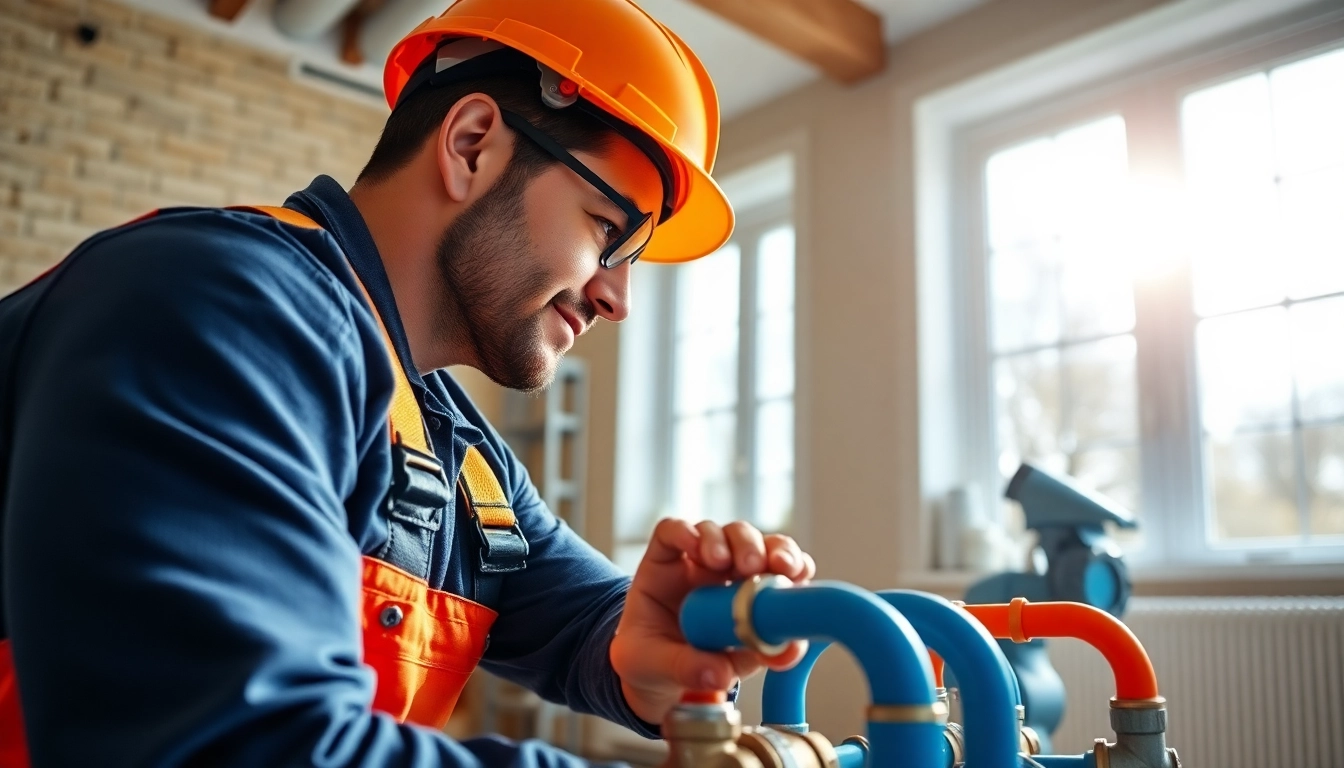
Understanding Whole House Repiping
What is Whole House Repiping?
Whole house repiping is the process of replacing the entire plumbing system of a home. This often involves removing old, damaged, or outdated pipes and installing new ones, significantly improving the efficiency and reliability of the home’s plumbing. This service is crucial for homeowners who experience frequent plumbing issues or whose homes are serviced by aging plumbing materials. In regions like St. Petersburg, where humidity and varying weather conditions can wear on plumbing systems, knowing when to consider whole house repiping services St Petersburg FL can save time, money, and stress in the long run.
Benefits of Whole House Repiping Services
Repiping a home comes with numerous benefits:
- Improved Water Quality: New pipes ensure that water delivered to your faucets is clean and safe, reducing the risk of contaminants that may leach from old metal pipes.
- Increased Water Pressure: Older pipes can restrict water flow, leading to low water pressure. Repiping restores optimal fluid dynamics, providing stronger water flow throughout the home.
- Elimination of Leaks: Repiping addresses leaks that can cause water damage, mold growth, and other health hazards.
- Peace of Mind: Knowing your home’s plumbing system is new and reliable will give you confidence and assurance in your home’s infrastructure.
- Potential Increase in Home Value: A new plumbing system can be attractive to potential buyers, boosting your property’s market value.
Determining the Need for Repiping
Identifying when to repipe your home can prevent further damage and costlier repairs. Key indicators include:
- Aging pipes, particularly those made from materials like polybutylene, which have known issues with durability.
- Reoccurring PIN leaks, which may suggest a systemic issue with your plumbing.
- Discolored or foul-smelling water indicative of pipe degradation.
- Frequent clogs that are not resolved with standard plumbing methods.
Signs Your Home Needs Repiping
Water Quality Issues
Water that is brown, yellow, or has a metallic taste can be a result of corroded pipes leaching impurities. This not only affects taste but can also pose serious health risks. If your water quality deteriorates despite regular treatment, it’s time to consider repiping.
Frequent Leaks and Damage
If you are frequently calling plumbing services for repairs because of leaks, this might indicate widespread pipe failure. If multiple leaks occur throughout your plumbing system, focusing on partial repairs could lead to increased costs in the future, signaling the need for a full repiping job.
Old Plumbing Systems
Homes built before the 1980s might have outdated plumbing materials, such as lead or galvanized steel, which can deteriorate over time. If your house utilizes these materials, proactive repiping is recommended to prevent potential health hazards associated with lead contamination.
Choosing the Right Repiping Materials
Copper vs. PEX: Which is Better?
When undertaking a repiping project, homeowners often weigh the benefits of different materials. Copper plumbing enjoys a long-standing reputation for durability and longevity, being resistant to corrosion. However, it can be more expensive and less flexible compared to newer materials. PEX, on the other hand, has emerged as a cost-effective alternative, offering ease of installation, flexibility, and resistance to scale and chlorine. It is also less prone to pipe bursts due to extreme temperatures.
Environmental Considerations
In addition to durability and cost, environmental impact is an essential consideration when selecting repiping materials. PEX pipes require less energy to produce compared to copper and do not corrode, which minimizes environmental pollution. However, chosen materials should also align with local plumbing codes and regulations to ensure sustainability and safety.
Cost Implications of Each Material
The cost of repiping can vary drastically based on materials. Copper pipes are generally more expensive, potentially costing twice as much as PEX. However, the longer lifespan and potential energy savings may justify the initial investment. In contrast, PEX pipes are cheaper to install but may have higher replacement costs in the long term if not properly maintained.
The Repiping Process Explained
Initial Inspection and Assessment
Before proceeding with repiping, a thorough inspection of the existing plumbing system is essential. This allows a qualified plumber to identify issue areas and evaluate the best pathway for the installation of new pipes. Considerations such as household layout, existing waste systems, and water lines are assessed to determine how to efficiently replace pipes without incurring unnecessary additional costs.
Preparation and Planning
Once the inspection is complete, the next step involves preparation and planning. This includes obtaining necessary permits, scheduling time for the work with the homeowner, and preparing the workspace to minimize disruptions. Protecting home furnishings and securing the area ensures a smooth process during the actual repiping work.
Execution and Final Checks
During execution, the old pipes are carefully removed, and new plumbing materials are installed according to the predetermined design. This process involves testing the new system for leaks and assessing water flow before considering the job complete. A thorough final check is critical to ensuring functionality and adherence to local plumbing codes.
Maintaining Your New Plumbing System
Regular Maintenance Practices
Once you have invested in whole house repiping, regular maintenance is key to preserving the new system’s integrity. Schedule periodic inspections to catch any potential issues early. Additionally, be mindful of what goes down your drains; utilize drain screens and mindful disposal practices to prolong the lifespan of your new plumbing.
When to Call a Professional
If you notice signs of plumbing malfunctions, such as fluctuating water pressure or unexplained water bills, it may be time to call a professional. Early intervention can mitigate more severe plumbing crises and safeguard your repiping investment.
Monitoring for Future Issues
Keep an eye out for changes in water quality, such as unusual discoloration or odor. Regular checks on visible sections of piping (crawl spaces, attics) for evidence of leaks or corrosion can help you maintain the health of your plumbing system.
Frequently Asked Questions
What is the average cost of whole house repiping?
The cost varies, typically ranging from $4,000 to $15,000, depending on the size of the home and material used.
How long does the repiping process take?
The entire process can take anywhere from a few days to over a week, based on the complexity of the plumbing system.
Are there financing options for repiping?
Many plumbing services provide financing options to help homeowners manage the cost of repiping.
Can I stay in my home during repiping?
In many cases, homeowners can remain in the property, but some disruptions may affect water availability.
How often should I consider repiping?
If your home has pipes older than 50 years or you frequently experience leaks, a repiping might be necessary.