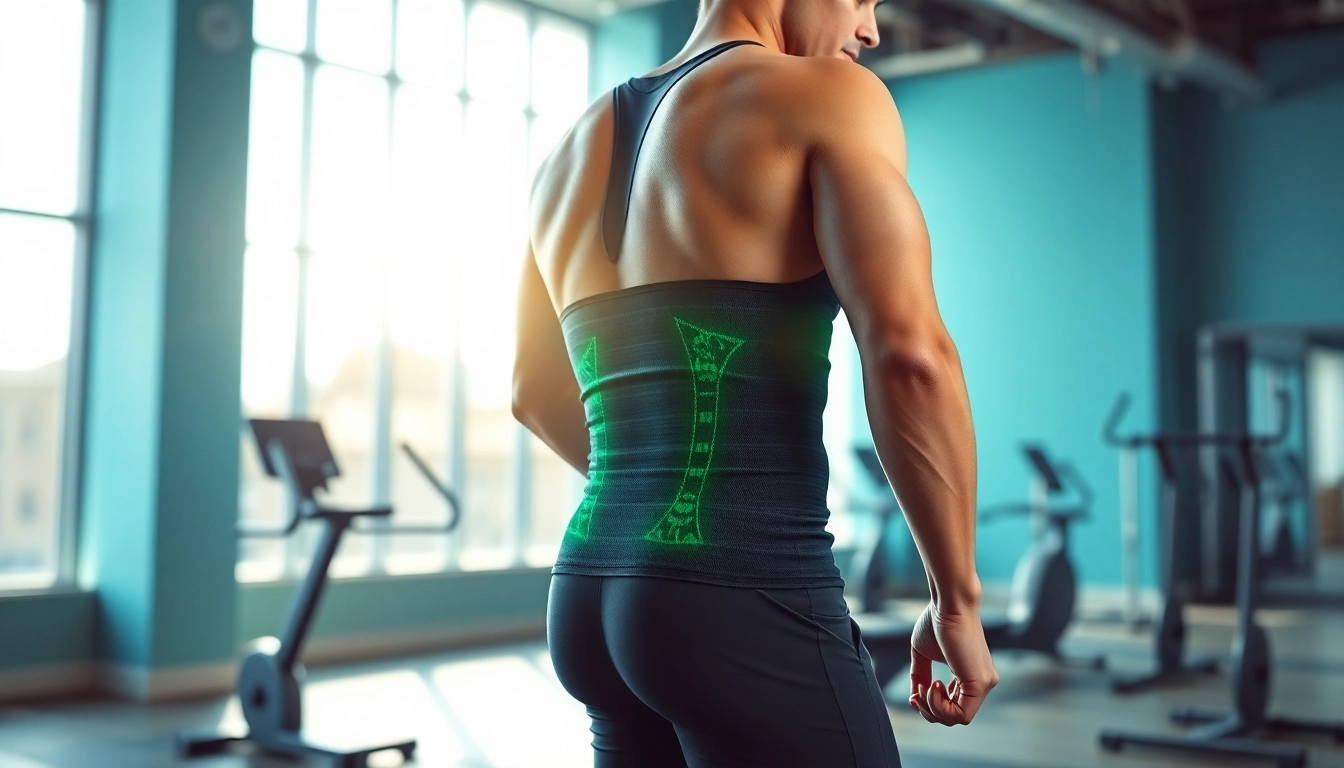
The Basics of Sciatic Nerve Pain
Sciatic nerve pain, commonly referred to as sciatica, is a debilitating condition that affects many individuals at some point in their lives. It is characterized by pain that radiates along the path of the sciatic nerve, which runs from the lower back through the hips and buttocks, and down each leg. The intensity of sciatic pain can vary significantly, from a mild ache to a sharp, burning sensation, often making daily activities challenging. Understanding the underlying causes and symptoms of sciatica is crucial for timely intervention and effective treatment, including the use of a sciatic nerve sleeve.
Understanding Sciatica: Causes and Symptoms
Sciatica typically results from factors that compress or irritate the sciatic nerve. Common causes include:
- Herniated or bulging discs
- Spinal stenosis
- Piriformis syndrome
- Injury or trauma to the lower back
- Degenerative disc disease
Symptoms of sciatica can manifest in various forms, including:
- Pain that radiates from the lower back to the legs
- Numbness or tingling sensations in the legs
- Weakness in the affected leg
- Pain that worsens with prolonged sitting or standing
- Difficulty moving the leg or foot
When to Seek Medical Attention for Sciatic Pain
It’s essential to seek medical advice if you experience symptoms such as:
- Severe pain that disrupts your daily life
- Loss of bladder or bowel control
- Numbness or weakness in the legs
- Pain that persists despite conservative treatments
These symptoms could indicate a more serious condition that requires professional intervention and may necessitate imaging tests or surgical options.
Common Myths About Sciatic Nerve Issues
Misconceptions about sciatica can lead to ineffective treatment strategies. Some common myths include:
- Sciatica is a condition, not a symptom: It refers to symptoms resulting from sciatic nerve compression, not a standalone diagnosis.
- Surgery is always necessary: Many cases resolve with conservative treatments like physical therapy, rest, and the use of supportive devices such as a sciatic nerve sleeve.
- Bed rest is the best remedy: Prolonged inactivity can worsen symptoms; gentle movement and stretching are often recommended.
How a Sciatic Nerve Sleeve Provides Relief
A sciatic nerve sleeve can be an invaluable tool in managing sciatica symptoms. These sleeves are designed to apply gentle compression to the affected area, which can alleviate discomfort and improve circulation.
Benefits of Compression for Nerve Pain
Compression therapy helps by:
- Reducing swelling and inflammation around the sciatic nerve
- Enhancing blood flow to promote healing
- Providing support that stabilizes the lower back and hip region
- Relieving pressure on the nerve endings, thereby decreasing pain
How to Choose the Right Sciatic Nerve Sleeve
Selecting the appropriate sciatic nerve sleeve is crucial for optimal relief. Consider the following factors:
- Size and fit: Ensure the sleeve fits snugly without being overly tight.
- Material: Look for breathable fabrics that wick moisture away and provide comfort during wear.
- Support level: Choose a sleeve designed specifically for sciatica that offers targeted compression.
Proper Usage and Application of a Sciatic Nerve Sleeve
To maximize the benefits of your sciatic nerve sleeve:
- Wear it during activities that typically aggravate your pain, such as long periods of sitting.
- Follow the manufacturer’s instructions regarding wear time and care.
Exercises and Techniques to Complement Sleeve Use
While a sciatic nerve sleeve can provide immediate relief, complementing its use with exercises can enhance recovery. Physical activity helps build strength and flexibility around the sciatic nerve.
Gentle Stretches for Sciatica Relief
Incorporating gentle stretches into your routine can help ease tension in the lower back and legs:
- Piriformis stretch
- Seated hamstring stretch
- Child’s pose
Strengthening Exercises to Support Recovery
Strengthening the muscles that support your lower back can prevent future episodes of sciatica. Focus on exercises that target:
- The core muscles (e.g., planks)
- The glutes (e.g., bridges)
- The hamstrings and quadriceps
Creating a Balanced Workout Routine
To support long-term recovery, create a balanced workout routine that includes:
- Cardiovascular exercises for overall health
- Strength training to build muscle
- Stretching to maintain flexibility
Recognizing Symptoms of a Worn Hip Joint
Hip joint wear and tear can significantly impact mobility and quality of life. Awareness of the early signs can prompt timely intervention.
Key Signs to Monitor for Joint Health
Common symptoms of a worn hip joint include:
- Persistent or recurring pain in the hip, especially after activity
- Stiffness in the hip, particularly in the morning or after sitting for extended periods
- Reduced range of motion, making simple tasks like putting on shoes difficult
- Grinding or clicking sounds when moving the hip
When to Consider Medical Intervention
If you experience these symptoms, it’s advisable to consult a healthcare professional to explore potential treatments, which may include physical therapy, medication, or surgical options. Early diagnosis can help preserve joint function and prevent further damage.
How a Sleeve Can Support Joint Stability
Using a supportive sleeve can help stabilize the hip joint, reducing stress and pain during movement. Look for designs that provide compression and support for the entire hip region.
Future Trends in Sciatic Pain Management
The management of sciatic nerve pain is continually evolving, with innovations aimed at improving quality of life for those affected.
Innovations in Compression Technology for Nerve Pain
Future advancements may include smart compression devices that adjust pressure levels based on activity or pain levels, allowing for personalized relief.
Holistic Approaches to Sciatic Relief
New treatment paradigms are emphasizing holistic approaches, incorporating aspects such as:
- Mindfulness and meditation to manage pain perception
- Acupuncture and chiropractic care for alignment and relaxation
- Nutrition to support joint health
What to Expect in Pain Management Solutions by 2026
By 2026, patients may have access to more comprehensive solutions, including integrated care plans that combine technology, exercise, and lifestyle adjustments. Continuous education on self-management techniques will empower individuals to take control of their sciatica and hip pain.