Understanding lvp floors
What are lvp floors?
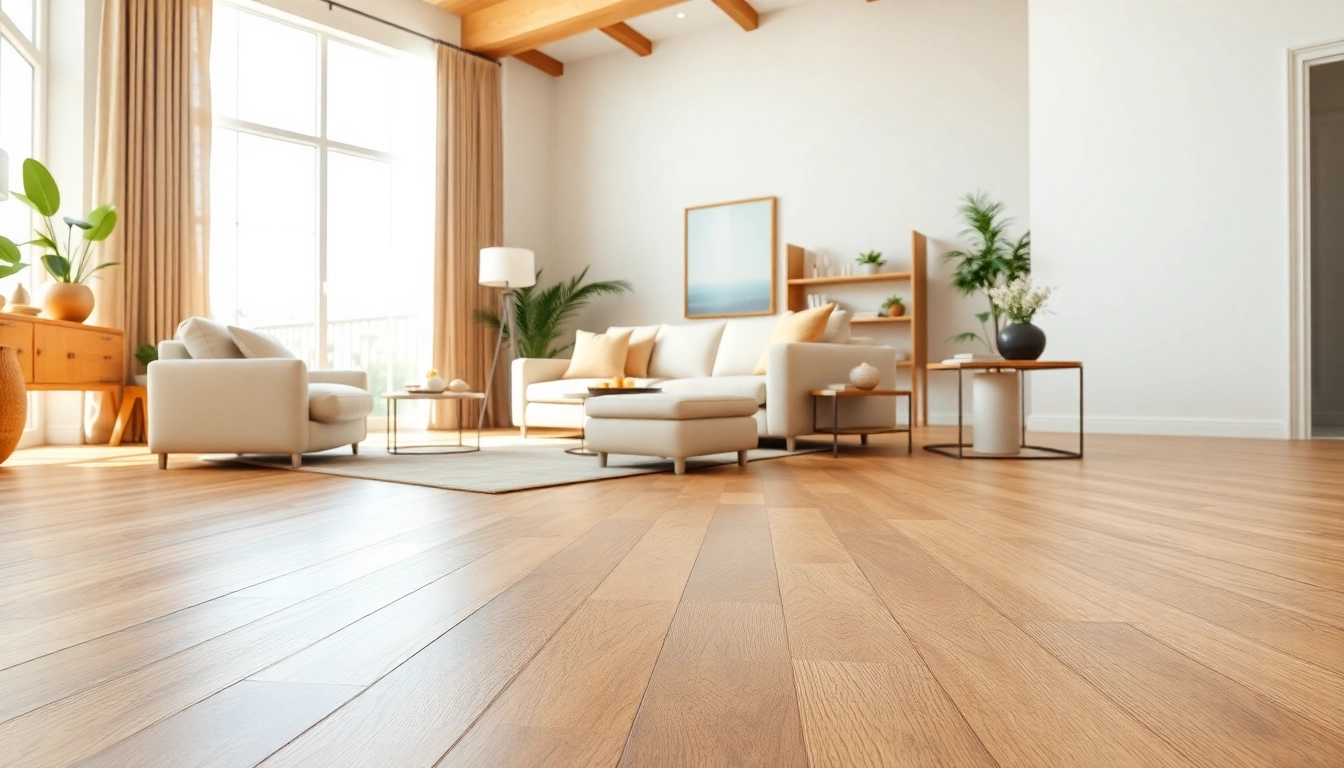
Luxury Vinyl Plank (LVP) floors are a type of resilient flooring that mimics the appearance of traditional hardwood, stone, or tile while offering a practical and durable alternative. Made from multiple layers of synthetic materials, lvp floors combine a photographic layer that provides realistic designs with a robust surface layer for scratch and stain resistance. Characterized by their waterproof properties, ease of maintenance, and comfortable underfoot feel, these floors have gained popularity among homeowners and commercial establishments alike. Whether you are considering a renovation or building a new space, lvp floors present a versatile choice for various applications.
Benefits of choosing lvp floors
The benefits of lvp floors are numerous, making them a favored choice in both residential and commercial settings. Firstly, their aesthetic appeal is significant; innovative printing technologies allow for intricate designs that replicate natural materials. This means homeowners can achieve the look of expensive flooring without the associated costs.
Durability ranks high on the list of advantages; lvp floors resist scratches, dents, and moisture, making them ideal for high-traffic areas and homes with pets and children. In addition, the installation process is straightforward, which leads to lower labor costs. The material also provides a softer feel underfoot compared to harder surfaces, adding comfort in living spaces.
From an environmental perspective, many lvp floors come with eco-friendly certifications, and they’re often made from recycled materials. This sustainability aspect aligns well with the growing consumer preference for green products.
Comparison with traditional flooring
When comparing lvp floors with traditional flooring types like hardwood or ceramic tile, several factors come into play. Cost is often a major consideration; lvp floors typically cost significantly less than solid hardwood, while providing a similar visual effect. Beyond initial pricing, lvp flooring generally requires less maintenance; whereas hardwood often needs refinishing and certain treatments, lvp floors can be easily cleaned with common household products.
In terms of installation, lvp floors excel. They can often be installed as a floating floor, which does not require glue or nails, saving both time and additional costs. Traditional flooring like tile tends to require a longer installation time and specialized skills. Lastly, lvp floors are completely waterproof, making them suitable for areas prone to moisture, unlike hardwood that can warp and degrade over time.
Installation Guide for lvp floors
Preparation for installation
Preparing for the installation of lvp floors is crucial to ensure a flawless finish. Start by assessing the subfloor, making sure it is clean, dry, and level. Any imperfections must be addressed; fill in any holes and ensure the surface is smooth to prevent issues down the line. An underlayment may be necessary to provide additional cushioning and sound absorption, depending on the type of lvp selected.
Next, acclimatize the lvp material to the room where it will be installed. This typically involves leaving the planks in the room for 48 hours to allow them to adjust to the temperature and humidity levels, thus minimizing potential expansion or contraction later.
Steps to install lvp floors
Once prepared, the installation of lvp floors can begin. First, measure the space accurately and plan the layout, considering the direction of the planks for aesthetic purposes. It is advisable to stagger seams, which not only enhances visual appeal but also fortifies the floor against wear and movement.
Commence from one corner of the room, using spacers to maintain a gap between the planks and the walls to allow for expansion. Lock the planks together according to the manufacturer’s instructions, ensuring they are tightly secured without gaps. Continue this process until the entire floor is covered, paying close attention to the transitions at doorways and between different flooring types.
Common installation mistakes to avoid
While installing lvp floors may seem straightforward, there are common pitfalls to avoid for a successful outcome. One frequent mistake is neglecting to acclimatize the flooring; this can lead to warping post-installation. Furthermore, failing to achieve a level subfloor can result in uneven planks and visible gaps.
Inadequate spacing at walls can also cause problems. As temperature and humidity change, planks will expand; without proper allowance, they may buckle. Finally, not following the manufacturer’s installation guidelines—such as the specific locking mechanism—can compromise the integrity of the flooring.
Maintenance Tips for lvp floors
Daily cleaning routines
Maintaining lvp floors is relatively easy, though regular attention is recommended to preserve their beauty. A daily cleaning routine should include sweeping or vacuuming to remove dirt and debris that can scratch the surface. For mopping, use a soft mop and a few drops of a mild, pH-balanced cleaner to maintain shine without causing damage.
It is crucial to avoid harsh chemicals or abrasive tools, as these can dull the finish and cause wear over time. Simple maintenance can prolong the life of lvp floors, keeping them looking their best for years.
Deep cleaning methods
Despite regular cleaning, lvp floors may require periodic deep cleaning. This process typically involves a thorough vacuuming followed by mopping with a more concentrated cleaner, specifically designed for vinyl surfaces. Make sure to follow the manufacturer’s recommendations regarding cleaning agents.
For stubborn stains, it’s advisable to target the spot with a specialized cleaner and a soft cloth. Allowing the cleaner to sit briefly can enhance its effectiveness. Remember to always rinse afterward with clean water to ensure no residue remains.
Protecting lvp floors from damage
Preventive measures are essential in protecting lvp floors from damage. Employ area rugs and mats in high-traffic areas or beneath furniture legs to prevent scratches and wear. Additionally, placing felt pads under heavy furniture can help eliminate indentations that may occur over time.
Be cautious of heavy liquid spills, as prolonged exposure can affect the adhesive used in some lvp products. If spills do occur, ensure they are cleaned up promptly to prevent any lasting impact. Finally, consider maintaining consistent indoor humidity levels to prevent any movement or damage to the flooring.
Choosing the Right Style of lvp floors
Color and design options
The variety of colors and designs available in lvp floors allows homeowners to align their choice with their unique style and decor preferences. From light oak to rich walnut, the options reflect the natural variations found in wood, giving the illusion of authenticity.
Patterned designs can also add character to spaces. Geometric or tile patterns cater to modern aesthetics, while classic wood grains appeal to traditional designs. Moreover, choosing textures, like hand-scraped or wire-brushed finishes, can enhance authenticity, further mimicking natural flooring materials.
Matching lvp floors with home decor
To achieve a cohesive look, the chosen lvp floors should complement existing home decor. A light-colored floor can create the illusion of a more expansive area, suitable for smaller rooms or spaces lacking natural light. Conversely, darker floors convey warmth and intimacy, perfect for living rooms or bedrooms.
Accents in furniture and decor should harmonize with the flooring choice to establish a unified theme. Accessories such as curtains, cushions, and artwork should either match or subtly contrast with the floor tones for visual appeal.
Trends in lvp floors for 2023
As flooring trends evolve, lvp floors have kept pace, with several styles emerging for 2023. Sustainability remains a core theme, with eco-friendly materials becoming increasingly popular; look for products made from recycled vinyl and with low VOC emissions.
In terms of aesthetics, bold patterns and colors, including herringbone and chevron designs, are asserting dominance in interior design. Additionally, oversized plank formats are gaining traction, providing a modern twist in residential and commercial applications. Textured finishes that mimic artisanal wood treatment are also becoming trendy, offering depth and character to spaces.
Cost Considerations for lvp floors
Factors influencing lvp floors price
The price of lvp floors varies based on several factors, including quality, thickness, brand, and design complexity. Typically, higher-quality products embedded with advanced features such as soundproofing or enhanced durability tend to be more expensive. Thickness also plays a significant role, with thicker planks typically offering better cushioning and insulation properties.
Moreover, regional differences in cost can arise due to market demand and availability, making it vital to compare local options before making a purchase decision.
Value compared to other flooring types
When evaluating costs, it is essential to consider the overall value offered by lvp floors compared to other flooring types. They provide a compelling mix of affordability and durability; whereas traditional hardwood may require significant investment not only up front but also in terms of ongoing upkeep, lvp floors maintain beauty with minimal maintenance.
In many cases, the cost of installation for lvp floors is also lower than for other materials, making them an attractive option for budget-conscious homeowners seeking high-quality aesthetic appeal.
Budgeting for installation
Creating a budget for installing lvp floors involves several key components: material costs, installation fees, and any additional underlayment or tools needed for proper installation. Begin by determining the square footage you plan to cover to assess material needs accurately.
Installation costs can vary by location and depend on whether you choose to hire a professional or take the DIY route. Including an additional 10% in your budget is wise to account for waste and unexpected expenses during the project. By planning accordingly, you ensure that your project stays within budget while achieving the desired results.
Frequently Asked Questions
What is the lifespan of lvp floors?
With proper care and maintenance, lvp floors can last between 15 to 25 years. They are designed for durability, making them a long-lasting flooring option.
Can lvp floors be installed over existing flooring?
Yes, lvp floors can often be installed over existing flooring materials, provided they are smooth and level. Always check the manufacturer’s guidelines for specific recommendations.
Are lvp floors scratch-resistant?
While lvp floors offer good scratch resistance, very sharp or heavy items can still cause damage. Using protective pads under furniture can help minimize scratches.
Is lvp flooring waterproof?
Yes, one of the key benefits of lvp flooring is its waterproof nature, making it an excellent choice for kitchens and bathrooms.
How do I remove stains from lvp floors?
For stubborn stains, use a vinyl-specific cleaner and a soft cloth to treat the area. Always rinse with water after cleaning to remove any product residue.