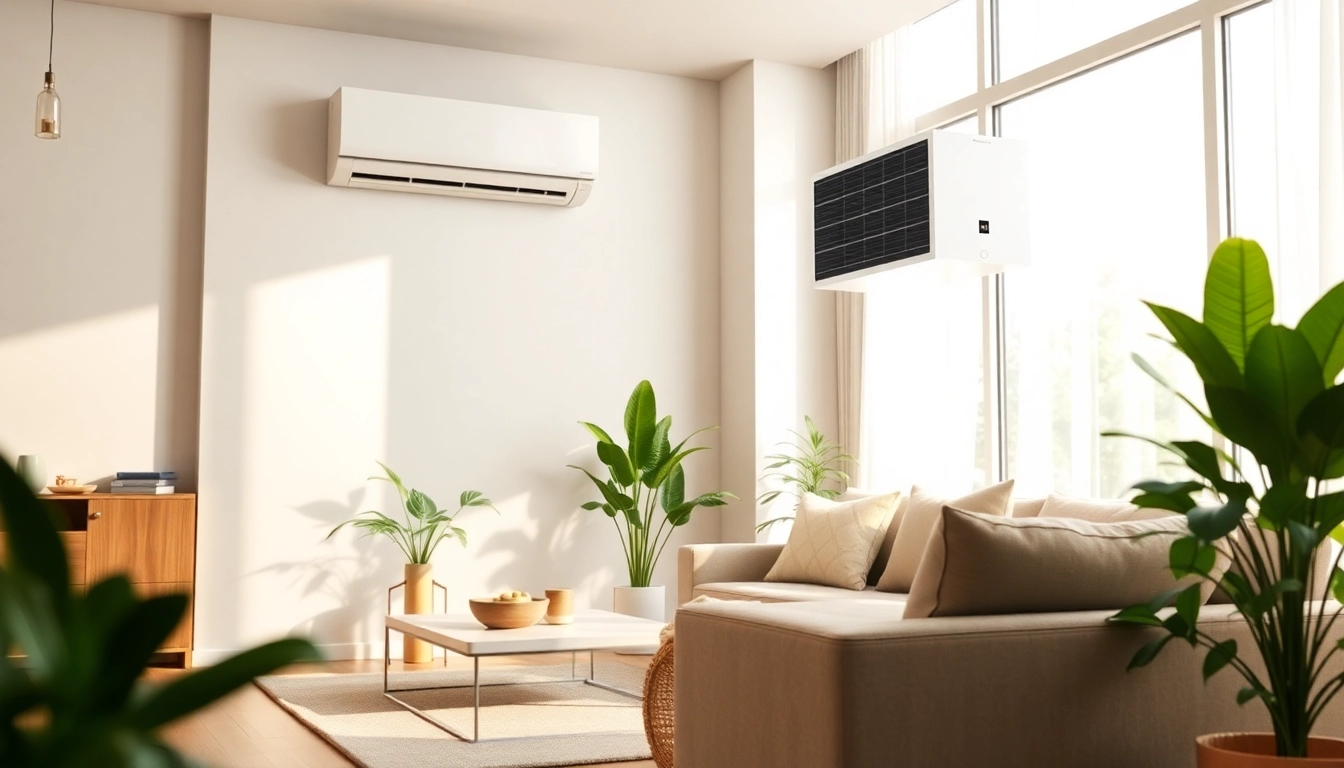
Introduction to Mitsubishi Mini Split AC
The mitsubishi mini split ac systems have revolutionized indoor climate control, providing energy-efficient and flexible cooling solutions for both residential and commercial spaces. These systems are known for their sleek design, quiet operation, and ability to maintain personalized comfort. This article will guide you through everything you need to know about Mitsubishi mini split AC systems, from their advantages and installation processes to troubleshooting common issues.
What is a Mitsubishi Mini Split AC?
A Mitsubishi mini split AC is a type of ductless air conditioning system that consists of two main components: an outdoor unit and one or more indoor units. Remarkable for their compact size and quiet functionality, these systems offer both heating and cooling capabilities through the heat pump technology. The indoor units can be mounted on walls or ceilings, allowing for efficient temperature regulation in specific areas or rooms without ductwork.
Advantages of Ductless Systems
Mitsubishi mini splits provide multiple advantages, such as:
- Energy Efficiency: Ductless systems often have higher Seasonal Energy Efficiency Ratios (SEER), leading to lower energy bills.
- Flexible Installation: These units can be installed in areas where traditional AC systems are impractical, including spaces without ductwork.
- Zone Control: Individual units allow for temperature control in specific zones, improving comfort and efficiency.
- Minimal Noise: Outdoor units produce less noise compared to traditional systems, making them ideal for residential settings.
- Improved Air Quality: Without ductwork, there are fewer opportunities for dust and allergens to circulate, resulting in better indoor air quality.
How to Choose the Right Size
Choosing the correct size of the Mitsubishi mini split AC system is critical for optimal efficiency and comfort. Here are the primary factors to consider:
- Room Size: Measure the square footage of the space you intend to cool. Mini splits are rated in British Thermal Units (BTUs), and larger spaces require units with higher BTU ratings.
- Ceiling Height: Consider rooms with high ceilings, as they may require additional cooling capacity compared to standard ceiling heights.
- Insulation Quality: Well-insulated spaces retain temperature better, allowing for smaller units, whereas poorly insulated areas may need higher capacity units to compensate for heat gain or loss.
- Climate: Regional temperatures also influence cooling needs. Warmer climates may dictate the need for higher BTU ratings.
Installation and Setup
Installation Requirements for Mitsubishi Mini Split AC
To install a Mitsubishi mini split AC, a few requirements must be met:
- Electrical Supply: A dedicated circuit is often necessary for the outdoor unit, requiring consultation with an electrician.
- Mounting Frame: The outdoor unit must be securely mounted on a stable surface, such as concrete or a building wall, to optimize performance and safety.
- Drainage System: A proper drainage system is essential for removing condensate water, preventing water damage.
- Access to Indoor Space: Ensure that the indoor unit can be connected easily to the outdoor unit with refrigerant lines and a power supply.
DIY vs. Professional Installation
The installation process for a Mitsubishi mini split AC can be complex. While some experienced homeowners may choose DIY installation, it is often more advantageous to hire a professional. Here’s why:
- Expertise: Licensed HVAC technicians have the experience and knowledge to ensure proper installation and avoid potential pitfalls.
- Warranties: Professional installation may be required to maintain the equipment warranty.
- Time and Effort: Regardless of skill level, installation can be time-consuming and may include troubleshooting unexpected issues.
Basic Setup and Configuration Steps
For those who decide to go the DIY route for Mitsubishi mini split AC setup, here are some basic steps:
- Unpack all components and read the manufacturer’s installation manual carefully.
- Mount the indoor unit on the wall, ensuring it is level and at a suitable height for optimal airflow.
- Connect the refrigerant lines from the indoor unit to the outdoor unit, following the manufacturer’s specifications.
- Securely mount the outdoor unit in a well-ventilated area, ensuring connections are tight and leak-free.
- Connect power lines to the corresponding terminals, ensuring correct voltage and compatibility.
- Test the system operation, checking for leaks and verifying the correct temperature settings on the thermostat.
Energy Efficiency and Performance
Energy Rating Explained
The energy efficiency of HVAC systems is primarily measured through the SEER rating. Higher SEER ratings indicate greater efficiency. Understanding this rating helps consumers make informed choices about their energy consumption.
Mitsubishi mini split AC systems often boast SEER ratings significantly above 15, making them a preferable choice for energy-conscious homeowners. This efficiency translates into real-world savings on electric bills and a lower environmental impact.
Maintaining Optimal Performance
To ensure that your Mitsubishi mini split AC remains efficient and operates smoothly, regular maintenance is vital. Key maintenance tasks include:
- Cleaning Filters: Indoor units typically come with washable filters that should be cleaned or replaced regularly to maintain airflow.
- Outdoor Unit Care: Keep the outdoor unit clean and clear of debris to prevent airflow obstructions.
- Yearly Inspections: Professional inspections can help identify potential issues before they escalate.
Cost Savings Through Efficiency
The long-term savings associated with Mitsubishi mini split AC systems are considerable. Here are a few ways energy efficiency translates to financial savings:
- Lower Utility Bills: The reduced energy consumption results in lower monthly energy expenses.
- Incentives and Rebates: Many regions offer financial incentives for energy-efficient home improvements.
- Increased Property Value: Energy-efficient homes are often more attractive to buyers, potentially raising overall property value.
Common Troubleshooting Tips
Identifying Common Issues
Despite their reliability, Mitsubishi mini split AC systems can encounter issues. Some common problems may include:
- Insufficient cooling or heating.
- Unusual noises coming from the units.
- Fluctuating temperatures.
- Leaks from the indoor or outdoor unit.
Simple Fixes You Can Do
For minor issues, homeowners can often perform simple fixes:
- Check and clean or replace the filter if airflow is restricted.
- Inspect drainage lines for clogs or blockages.
- Ensure that the thermostat setting is appropriate.
When to Call a Professional
Some issues can require professional insights and interventions. Contact a licensed technician if:
- There are persistent operational failures after basic fixes.
- You observe refrigerant leaks, as handling refrigerants requires specialized knowledge.
- The system generates unusual or loud noises during operation.
FAQs About Mitsubishi Mini Split AC
What is the lifespan of a Mitsubishi mini split AC?
The typical lifespan of a Mitsubishi mini split AC is around 15 to 20 years with proper maintenance. Regular servicing contributes to longevity.
Can I use a Mitsubishi mini split AC in every room?
Yes, Mitsubishi mini split AC systems can effectively cool or heat almost any room, making them versatile for residential and commercial applications.
What maintenance does a Mitsubishi mini split AC require?
Regular filter cleaning, annual professional inspections, and clearing debris from outdoor units are essential maintenance tasks for longevity.
How noisy is a Mitsubishi mini split AC?
These systems are designed for quiet operation, with indoor units typically operating at sound levels between 19 to 48 decibels, making them unobtrusive.
Is a Mitsubishi mini split AC suitable for all climates?
Yes, the adaptable design of Mitsubishi mini split AC units makes them suitable for a variety of climates, providing heating and cooling efficiently.