
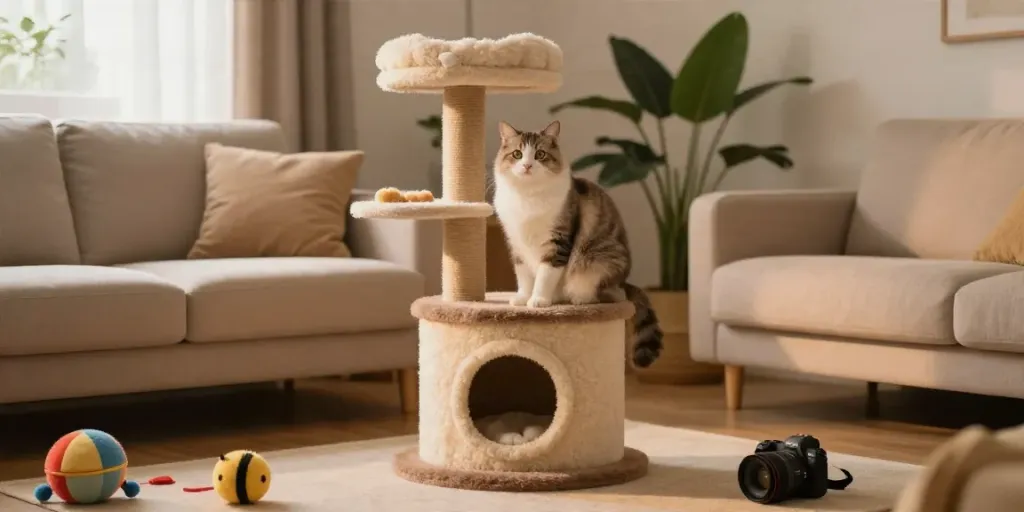
Understanding the Benefits of a Cat Tree
Cat trees are more than just furniture for your feline companions; they serve as essential structures for enriching their environment. Providing vertical spaces in homes not only meets the instinctual climbing needs of cats but also transforms living areas into engaging playgrounds. With the right cat tree, owners can facilitate their pets' physical and psychological well-being, resulting in happier, healthier cats.
Why Cats Need Vertical Spaces
Cats are inherently climbers, and creating vertical spaces in your home is crucial to cater to their natural instincts. In the wild, cats use elevation for safety, hunting, and play, which is why having a designated cat tree can replicate this environment indoors. By allowing cats to perch high above the ground, they enjoy a sense of security and control over their territory.
Physical Health Benefits of a Cat Tree
Engagement with a cat tree provides numerous physical health benefits. Climbing and jumping strengthen a cat's muscles and improve flexibility. As cats navigate different heights and levels, they engage in exercise that prevents obesity and related health issues. Furthermore, many cat trees incorporate scratching posts, which are vital for maintaining healthy claws and preventing destructive behavior on furniture.
Psychological Impact of Enrichment Structures
The psychological benefits of a cat tree are equally significant. Cats require mental stimulation to stay happy and healthy. A well-designed cat tree offers an opportunity for exploration, play, and rest, making it an important part of their habitat. When cats have an enriched environment, they are less likely to exhibit behavioral issues such as aggression, anxiety, or excessive vocalization.
Different Types of Cat Trees Available
Modern vs. Traditional Cat Trees
The market for cat trees has diversified into various styles, catering to different preferences and home aesthetics. Modern cat trees often feature sleek designs with minimalist decor, while traditional ones may include more elaborate structures with multiple levels and whimsical themes. Choosing between modern and traditional cat trees depends on your cat's personality and your home style, ensuring a seamless integration that both you and your cat will appreciate.
Materials and Design Considerations
When selecting a cat tree, the materials and construction are critical factors. Look for sturdy, durable materials like plywood or solid wood for the base, and ensure that fabrics are both comfortable and easy to clean. Sisal rope is commonly used for scratching posts, as it is durable and satisfying for cats to scratch. Additionally, a well-designed cat tree will incorporate safety features, like a stable base to prevent tipping, ensuring your cat can explore with confidence.
Choosing the Right Cat Tree for Your Space
Before purchasing a cat tree, consider your available space and your cat's unique needs. Measure the area where the tree will be placed to ensure a perfect fit. If you have multiple cats, look for larger structures that offer sufficient space for several pets to climb, scratch, and lounge. Compact designs are suitable for smaller living spaces, ensuring that even apartments can provide ample vertical play areas for cats.
Features to Look for in a Quality Cat Tree
Safety Features and Stability
Safety is paramount when selecting a cat tree. Always opt for models with a robust, stable base to prevent accidents during energetic play. The cat tree should not wobble or tilt even when multiple cats are on it. Additionally, check for non-toxic materials and secure fittings, ensuring that your cats are safe as they explore their new playground.
Multi-functionality: Scratching and Sleeping Areas
A quality cat tree should serve multiple functions. Look for trees that offer scratching posts, enclosed hideaways, and resting platforms. This combination caters to a cat's diverse needs, allowing them to engage in scratch, hide, and nap behaviors. The more features a cat tree includes, the more likely it is to keep your feline entertained and content.
Easy Maintenance and Cleaning Guidelines
When integrating furniture for pets into your home, consider upkeep. Cat trees can accumulate fur and dirt, making easy maintenance a priority. Look for removable covers that can be machine washed, and surfaces that can be easily wiped down. Regular vacuuming will also help keep the tree clean and hygienic, ensuring a comfortable space for your pets.
Best Practices for Introducing a Cat Tree
Placement Strategies for Maximum Engagement
Strategically placing a cat tree can significantly influence its usage. To encourage your cat to explore, position the tree near a window or a spot where they can observe their surroundings. Cats are naturally curious, and having a vantage point to watch the world outside can entice them to use their new playground. Additionally, placing the tree in a common area can help your cat feel more secure while exploring.
Encouraging Cats to Use Their New Tree
To entice your cat to use the new tree, introduce familiar toys or catnip to the structure. Placing treats at various levels can also motivate your cat to explore the entire tree. Avoid forcing your cat to use the tree, as this could lead to reluctance. Instead, be patient and allow your cat to approach the new environment at their own pace.
Integrating the Tree into Existing Spaces
Successfully integrating a cat tree into your home requires careful consideration of existing furniture and decor. Ensure that the cat tree complements your interior design and does not obstruct pathways. Consider placing it alongside other pet-friendly items, like a cat bed or feeding area, to create a cohesive space designed for your feline companions.
Future Trends in Cat Tree Development
Technological Innovations in Cat Trees
The future of cat trees is evolving, with technology playing a pivotal role. Innovations such as built-in sensors and smart features are emerging, allowing pet owners to monitor their cats' activity levels remotely. Inclusive designs, like integrated scratching surfaces or interactive components, can increase engagement and provide mental stimulation.
Sustainable Materials and Eco-Friendly Designs
As sustainability becomes more important to consumers, the cat tree industry is responding with eco-friendly options. Look for products made from recycled materials or sustainably sourced wood. These structures not only contribute to environmental well-being but also ensure safety for your pets, as they are often free of harmful chemicals.
Customizable Features for Unique Cat Needs
Future cat trees will be designed with customization in mind. Pet owners may opt for trees featuring modular components that can be rearranged based on their cat's behavior or preferences. This flexibility allows for a tailored experience, encouraging engagement and interaction, ultimately making the home environment more enjoyable for both the pet and the owner.
Are Cat Trees Worth the Investment?
Investing in a cat tree can yield long-term benefits for both your feline companion and your home. While the initial cost may seem high, the advantages in promoting physical health, mental stimulation, and preventing furniture damage outweigh the expense. A quality cat tree can provide years of enjoyment, transforming your home into a dynamic environment tailored to your cats' natural instincts.
How to Choose the Best Cat Tree for Large Cats?
When selecting a cat tree for larger breeds, look for structures with reinforced bases, wider platforms, and ample space in scratching areas. Large cats require more robust support, so ensuring a stable construction is essential. Opt for higher weight limits to accommodate larger furry friends, ensuring a safe and enjoyable experience.
What to Consider When Buying a Cat Tree?
Consider your cat's age, size, and personality when selecting a cat tree. Younger cats may benefit from taller structures for climbing, while older cats may prefer lower heights for easier access. Also, evaluate your home space, ensuring that the selected tree fits comfortably within your living area.
How Often Should a Cat Tree Be Replaced?
Cat trees should be inspected regularly for wear and tear. If the base becomes unstable, or the materials show significant signs of damage, it may be time for a replacement. Typically, a well-maintained cat tree can last anywhere from three to five years, depending on usage and material quality.
Can Cat Trees Help with Behavioral Issues?
In many cases, cat trees can alleviate common behavioral problems. Providing designated spaces for scratching can reduce destructive behavior on furniture, and climbing opportunities can help mitigate anxiety by allowing cats to observe their surroundings from a higher vantage point.
What are the Benefits of Multi-Level Cat Trees?
Multi-level cat trees offer a plethora of benefits, including enhanced exercise opportunities and increased engagement. By providing varied heights, cats can explore different environments, promoting physical health. Additionally, these structures cater to multiple cats, giving them the freedom to choose their preferred spot without conflict.